Skip to content

Table of Contents
A sudden wince when your child bites into something cold, or a complaint about a tooth that hurts when chewing on one side, is often the first sign that something is going on beneath the surface. That sensitivity is not random. It usually means a cavity has already made its way past the enamel.
Dental fillings at Solomon Kids Dentistry in Summerville, SC, are designed to address exactly this moment, before a small problem has the chance to become a bigger one. This article covers why cavities cause sensitivity in the first place, how a filling actually stops that discomfort and the decay behind it, and what parents can realistically expect from the process.
How do dental fillings help prevent sensitivity and future tooth decay?
A filling removes the decayed portion of a tooth and seals the remaining space with a protective material, which stops the sensitivity caused by exposed inner tooth layers and prevents that same spot from decaying further. Many parents notice their child’s discomfort resolves once the filling is placed, though ongoing brushing, flossing, and regular checkups still matter for preventing new cavities elsewhere.
Why Cavities Cause Sensitivity and Keep Getting Worse
Tooth decay works its way through the enamel over time, and once it reaches the more sensitive inner layers of a tooth, hot, cold, or sweet foods can suddenly trigger real discomfort. This is often the first sign a parent or child notices that something is wrong.
Left untreated, decay does not stay still. Bacteria continue breaking down the affected area, which is exactly why a small cavity can turn into a much bigger problem if it goes unaddressed for too long. Sensitivity is really the tooth’s way of signaling that decay has already progressed past the outer enamel layer.
How Dental Fillings Work to Stop Sensitivity and Decay
At Solomon Kids Dentistry, treatment typically involves composite fillings for strengthening and protecting teeth, a tooth colored material that bonds directly to the tooth. The general process follows a few steps:
- Gently numbing the area so the child feels no discomfort
- Removing the decayed portion of the tooth
- Filling the resulting space with the tooth-colored composite material, restoring both structure and strength
This blends naturally with the surrounding teeth while sealing the tooth off from bacteria and food debris, which is exactly what stops the decay process in that specific spot. This directly addresses both concerns named in the title. Removing the exposed, sensitive area resolves the discomfort, while sealing the tooth is what supports preventing future decay with professional fillings in that same location going forward.
Why a Filling Doesn’t Prevent All Future Decay
It matters to be honest here rather than overpromising. A filling protects the treated tooth from decay progressing further in that specific spot, but it does not prevent new cavities from forming elsewhere in the mouth. That distinction is worth understanding clearly.
A few habits remain essential for protecting enamel surfaces using fillings and everything else in a child’s mouth that hasn’t been treated:
- Consistent brushing and flossing at home
- A balanced diet lower in sugary snacks and drinks
- Regular dental checkups to catch new issues early
A filling addresses an existing problem well, but day to day oral hygiene habits are still what carry the bulk of the prevention work going forward.
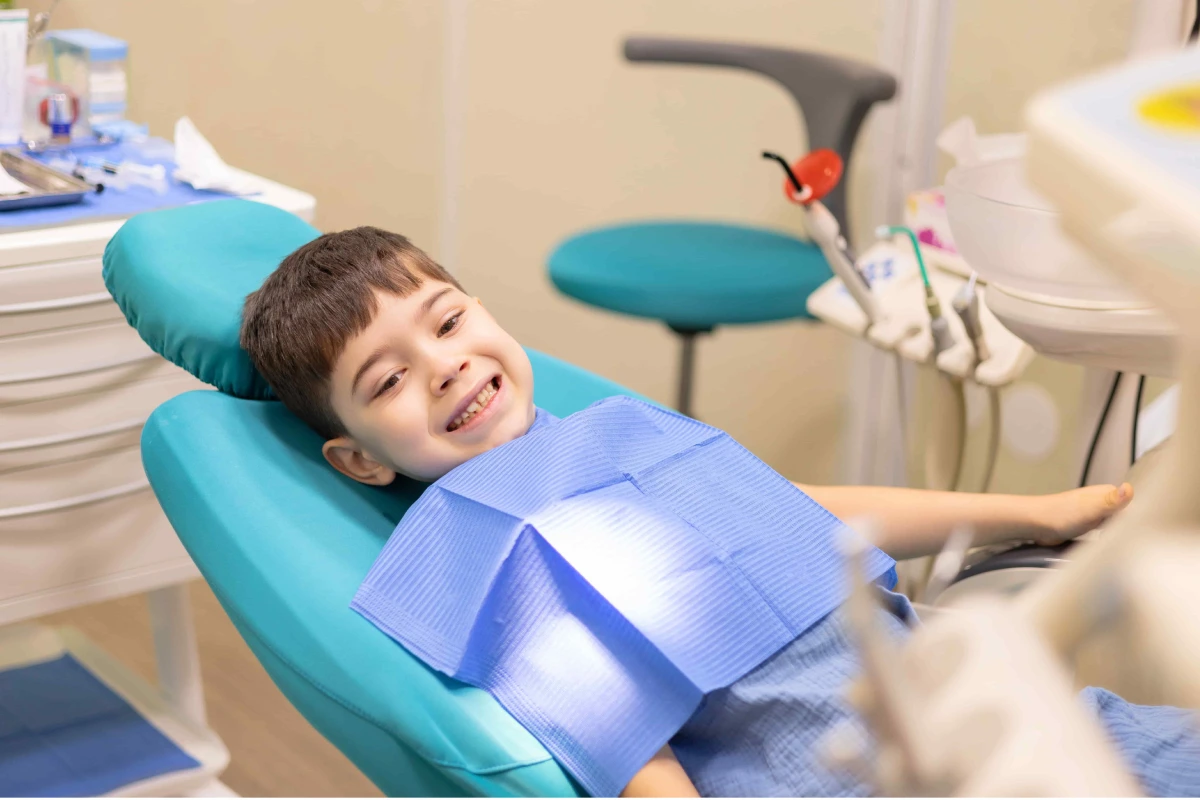
What Does Getting a Filling Involve for Kids?
At Solomon Kids Dentistry, the process is built specifically around making children comfortable. It typically includes:
- A friendly introduction, where the team explains what’s happening in kid-friendly terms
- Gentle numbing with a local anesthetic to ensure no pain during the procedure
- Careful removal of the decay
- Placement, shaping, and hardening of the composite material with a special light
- Final polishing for a natural bite and appearance
This tooth fillings for sealing teeth against decay approach is designed so kids can return to school or play almost immediately afterward, with the whole experience feeling calm rather than intimidating.
What Results Can You Expect, and How Long Do Fillings Last?
Sensitivity in the treated tooth typically resolves once the filling is placed, since the exposed area causing discomfort is now sealed off. Many parents notice their child’s complaints about that specific tooth go away shortly after the appointment.
How long a filling lasts varies depending on a few factors:
- The material used
- The tooth’s location and how much chewing force it takes on
- How well oral hygiene habits are maintained afterward
Fillings can wear down over time or occasionally need replacement, which is part of why periodic dental checkups matter even after restoring tooth comfort with preventive cavity fillings has already addressed the original problem.
Is It Time to Schedule a Filling for Your Child?
A few signs tend to suggest a cavity needs attention:
- Visible dark spots or holes in a tooth
- Sensitivity to hot or cold
- Persistent tooth pain
- A dentist identifying decay during a routine checkup
Any of these are worth bringing up at the next dental visit rather than waiting to see if things improve on their own. Catching a cavity early generally means a simpler, smaller filling than waiting until decay has progressed further into the tooth. This is exactly the kind of thing best confirmed during a routine dental visit rather than diagnosed at home, since a dentist can see what’s actually happening beneath the surface.
Fillings and Protecting Your Child’s Smile Going Forward
Composite fillings play a real role for both baby teeth and permanent teeth, even though their purpose looks a little different in each case. Baby teeth support speech development, chewing, and guiding permanent teeth into their correct position, so cavity repair for reducing the risk of future decay in kids matters even for teeth that will eventually fall out naturally. Permanent tooth fillings, meanwhile, are built to last for many years as part of a child’s long-term dental health.
None of this replaces the basics of good oral hygiene at home, but a properly placed filling does relieve the discomfort of an existing cavity and protects that specific tooth from further decay. For many families, that combination of relief and protection is exactly why addressing a cavity early matters.
Ready to Address Your Child’s Cavity?
If your child has been dealing with tooth sensitivity or a cavity that needs attention, a consultation is the clearest way to find the right next step. The team at Solomon Kids Dentistry offers preventive cavity fillings in Summerville, SC, in a calm, comfortable setting built specifically for young patients. Contact us to get started, and our team will help your child feel at ease every step of the way. Schedule your dental filling consultation today.